Coffee gear exists on a spectrum: the $15 drip machine that produces hot brown water, and the $2,000 espresso setup that becomes a part-time hobby. Most people want something in the middle — a cup that's noticeably better, without a PhD or an hour of cleanup. This list covers that middle ground, plus the one or two things worth splurging on if you're serious.
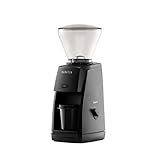
- Top pickBaratza Encore ESP Burr Grinder~$200
- Best budgetAeropress Original Coffee Maker~$35
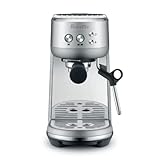
- Worth the splurgeBreville Bambino Espresso Machine~$300
The honest quick answer
If you want the single biggest upgrade to your morning coffee: buy a burr grinder and grind fresh. Pre-ground coffee loses most of its flavor within 20 minutes of grinding. Every other piece of equipment matters less than this one change. The grinder below is the best entry point.
For pour-over drinkers: the Chemex
The Chemex has been made the same way since 1941. It's glass, it uses thick paper filters that remove oils and sediment, and it produces a clean, bright cup that showcases the actual flavor of good beans. It also looks like something you'd find at MoMA. The 6-cup is the right size for 1–3 people.
The one thing people get wrong with pour-over: they pour too fast. Go slow, bloom for 30 seconds, and pour in stages. The result is dramatically better than anything a drip machine can do.
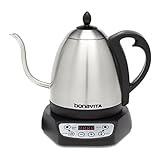
The kettle that actually matters for pour-over
A regular kettle pours too fast and too imprecisely for pour-over. A gooseneck kettle gives you control over pour rate and direction — both of which affect extraction. The Bonavita is the standard recommendation at this price. Variable temperature is useful: green tea needs 175°F, pour-over is 200°F, French press is 205°F.
If you want espresso at home: the Breville Bambino
Home espresso is notoriously hard to get right. Most cheap machines produce hot, bitter disappointment. The Breville Bambino ($300) is the entry point where you actually get something espresso-adjacent — 15 bars of pressure, 3-second heat-up, auto steam wand for milk. It's not a $3,000 La Marzocco. But paired with the Baratza grinder above, you'll make drinks that embarrass your local coffee shop's drip menu.
The travel option: Aeropress
The Aeropress is the sleeper pick on this list. $35, plastic, indestructible, and makes genuinely excellent coffee in 2 minutes. It uses pressure instead of gravity, produces a concentrated cup that's espresso-adjacent, and is the gear of choice for competitive coffee tasters traveling internationally. It works in hotel rooms, campsites, and offices. Buy one.
The beans matter more than the gear
All of this equipment is a multiplier. It can only make good coffee from good beans. Buy whole bean, buy from a local roaster if you can, and look for a roast date (not a "best by" date) on the bag. Beans are best within 2–6 weeks of roast. Amazon's selection of fresh-roasted whole bean has improved significantly — filter by subscription options if you want recurring delivery.
Frequently asked questions
What's the single best upgrade for home coffee?
A burr grinder. Pre-ground coffee goes stale within minutes. Grinding fresh immediately before brewing is the biggest quality improvement you can make, regardless of your other equipment.
Is a gooseneck kettle actually necessary?
For pour-over and Aeropress, yes — it gives you precision control over pour rate and direction, both of which affect extraction and taste. For drip machines and French press, it's a nice-to-have but not essential.
What's the best coffee maker under $50?
The Aeropress ($35) makes better coffee than most drip machines at any price. Pair it with pre-ground coffee from a local roaster and it outperforms $200 drip machines.
How long do coffee beans stay fresh?
Whole bean coffee is best within 2–6 weeks of the roast date. Store in an airtight container at room temperature — not in the freezer. Buy smaller quantities more frequently rather than a big bag that sits for months.