There's a specific kind of winter outfit failure that has nothing to do with being cold: it's being warm and looking like you're wearing a sleeping bag to get the mail. You put on a base layer, a sweater, a puffer, a scarf wrapped twice, and by the time you're out the door your arms don't bend right and your silhouette has disappeared entirely. The fix isn't "wear less" — it's wearing fewer, smarter things instead of more mediocre ones. The right base layer, one genuinely warm wrap instead of three flimsy scarves, and a bag that doesn't add its own bulk on top of everything else will keep you warmer than the pile-it-on approach while looking like you got dressed on purpose.
- Top pickFURTALK Cashmere-Feel Shawl Wrap~$17
- Best budgetTwoYek Pashmina Shawls (2-Pack)~$16
- Worth the splurgeFjallraven Kanken Backpack~$80
Why more layers isn't the same as warmer
Warmth comes from trapped air, not from fabric quantity. A layer works by holding a thin cushion of air against your body that your body heat warms up; the insulation is the air, the fabric is just what's holding it in place. That's why a thick cotton hoodie under a coat can leave you colder than a thin merino layer under the same coat — cotton holds almost no useful air pockets once it's compressed under other layers, and it holds onto moisture, which actively pulls heat away from your skin. Fine, dense natural fibers like merino wool and cashmere trap disproportionate amounts of air relative to how much space they take up. That's the whole trick: warmth-per-millimeter, not warmth-per-layer.
This is also why several thin layers beat two thick ones in practice. Each thin layer creates its own air pocket, and those pockets stack. Two bulky pieces create one big pocket and a lot of wasted, stiff fabric in between that doesn't insulate much at all — it just makes your coat not zip and your arms stick out from your sides.
The base layer is doing more work than you think
The single highest-leverage move in a slim winter outfit is a good base layer, and most people skip it entirely in favor of just wearing a heavier sweater. A proper base layer — merino wool or a wool-silk blend, worn snug against skin — regulates temperature, wicks moisture, and adds real warmth at a fraction of the thickness of a sweater doing the same job. Because it's thin and fitted, it doesn't change your silhouette at all; everything you put on top of it still fits and drapes the way it's supposed to. Merino in particular is worth the extra cost over synthetic thermals because it doesn't hold odor the way polyester does, so you can wear the same layer two or three days running without it becoming a problem — genuinely useful when you're layering daily through a long winter.
The mistake most people make is buying a base layer a size up "for warmth." Don't. A loose base layer bunches under your outer layers and adds visible bulk exactly where you don't want it — underarms, waist, wrists under a coat sleeve. Size down if anything; the point of this layer is that nobody should be able to tell it's there.
The wrap or scarf is your best warmth-to-bulk ratio in the entire outfit
If you only upgrade one thing this winter, make it your scarf. A great wrap or scarf sits at the exact spot where the most heat leaves your body — the neck — and it does it with almost no added silhouette, because it drapes rather than adds structure. This is the opposite of a puffer vest or a chunky cardigan, both of which add visible width. A well-made wrap in a fine wool or cashmere blend genuinely rivals an extra sweater in warmth while taking up a fraction of the visual space, and it's the easiest single piece to upgrade because it doesn't have to fit — it just has to be good fabric.
The fabric weight matters more than the size of the thing. A cheap, loosely woven scarf in a huge blanket size can still read cold and bulky at once — bulky because of the yardage, cold because a loose weave doesn't trap air well. A smaller, denser, finer weave in real cashmere or a high-percentage wool blend beats it on both counts.
One styling note that matters more than people expect: how you tie it changes the silhouette as much as the scarf itself does. A big double-wrap-and-drape look adds visible bulk at the chest and shoulders, even with a thin scarf. A simple loop, a loose single wrap left open, or a slim knot close to the neck keeps the same warmth with almost none of the visual width. Save the big cozy wrap-and-drape for actual blanket scarves you're wearing as an outer layer on their own, not for a scarf that's supposed to disappear under a coat.
What actually ruins a slim layered look
Most winter outfits get bulky from three repeatable mistakes, and none of them are "wearing enough clothes to be warm."
Stacking mid-weight pieces instead of one thin one plus one real one. A base layer, a mid-weight sweater, and a mid-weight cardigan is three layers of similar thickness doing overlapping jobs. Swap the middle two for one well-insulated sweater and you lose almost no warmth and a lot of width.
A puffer with too much loft for the temperature you actually live in. Heavy-duty puffers are built for genuinely extreme cold and read as bulky in anything milder, which is most winters most people actually experience. A slimmer quilted or wool coat over a good base layer and scarf combo covers the same range of temperatures for the vast majority of days without the marshmallow effect.
Ignoring what's under the coat because "it's covered anyway." Bulk under a coat still shows — at the collar, the cuffs, where the coat gaps open when you sit down or walk. A trim base layer and a slim scarf keep the whole silhouette clean even when the coat comes off indoors, which, practically speaking, is most of the day.
The honest test for any layering piece: put it on, then put your coat on over it, then raise your arms above your head. If anything binds, bunches, or pulls the coat out of shape, it's adding bulk you don't need, regardless of how warm it claims to be.
The bag you're carrying can undo the whole outfit
This one gets overlooked constantly. You can nail the base layer, the scarf, the slim coat — and then sling a stiff, structured, over-padded bag across your body that adds its own bulk on top of everything you just carefully thinned out. A bag doesn't need to be tiny to avoid this; it needs to be soft-sided and close to the body instead of boxy and stiff, so it moves with your layers instead of sitting on top of them like another coat.
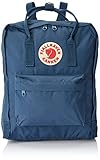
Neither of these is marketed as a winter accessory, and that's sort of the point — they weren't designed to compete with your layers for space, because they weren't designed as outerwear at all. A soft, flat bag is one less thing adding width to a silhouette you've otherwise kept intentionally slim.
Putting it together without overthinking it
The formula that actually works, in order of how much it matters: a snug merino or wool-silk base layer against skin, one real sweater over it instead of two mediocre ones, a fine-weave wrap or scarf at the neck instead of a big chunky one, a coat sized for the layers you're actually wearing rather than a size up "to be safe," and a soft-sided bag instead of a structured one. That's five decisions, not fifteen items. Every piece is doing a specific job instead of overlapping with the piece next to it, which is the actual difference between an outfit that looks intentional and one that looks like you got dressed defensively against the weather.
None of this means skipping real warmth for the sake of looking slim — a thin base layer plus a good wrap genuinely outperforms a bulky sweater plus a cheap scarf in actual insulation, not just in how it photographs. Warmth and a clean silhouette were never actually in conflict; they just require picking better fabric over more fabric.
Frequently asked questions
What's the single best upgrade if I can only buy one thing?
A fine wool or cashmere-blend wrap or scarf. It sits at the part of your body that loses the most heat, adds almost no visible bulk because it drapes instead of structuring, and works over nearly every coat and sweater combination you already own.
Is merino wool actually worth the extra cost over a synthetic base layer?
For regular winter wear, yes. Merino regulates temperature better, wicks moisture without holding onto it, and doesn't hold odor the way polyester thermals do — meaning you can rewear it several days running, which matters when it's your daily base layer for months.
Should I size up my base layer for extra warmth?
No. A loose base layer bunches under everything else and adds visible bulk exactly where you're trying to avoid it — underarms, waist, wrists. Size down if you're between sizes; the layer should be snug enough that nobody can tell it's there.
How do I tell if a scarf or wrap is actually going to run bulky?
Check the weave density, not just the size. A large scarf in a loose knit can look and feel bulkier than a smaller one in a tight, fine weave, even though the tighter weave traps more warmth. Fold it in quarters and see how much thickness it adds — that's roughly what it'll add under a coat collar.
Do bulky puffer coats actually keep you warmer than a slimmer wool coat?
Only in genuinely extreme cold. For most winter days most people experience, a slim wool or quilted coat worn over a proper base layer and a real scarf covers the same comfort range without the added loft — the warmth difference at moderate temperatures is smaller than the silhouette difference.
Why does my bag matter for how bulky my outfit looks?
A structured, stiff, or heavily padded bag sits on top of your layers and adds its own width, undoing careful layering elsewhere in the outfit. A soft-sided bag that lies flat against your body doesn't compete with your coat and scarf for space.
Can I still layer a lot and stay slim, or do I have to wear fewer pieces?
You don't need fewer pieces — you need fewer pieces doing the same job. Three thin, purposeful layers (base layer, one real sweater, one fine scarf) beat two bulky ones in both warmth and silhouette, because each thin layer is trapping its own pocket of air instead of one layer wasting space compressing the one under it.