Here is the short version of setting up a first apartment after graduation: do it in three waves (before move-in, week one, month one), buy only what you will touch in the first seven days, and route as much of it as possible through a membership that was built for people your age. For a lot of new grads, that membership is Prime for Young Adults. This is the checklist we wish someone had handed us, with the order of operations, the stuff to skip, and the three things we would actually put in a cart.
Set up the apartment on a young-adult budget
Prime for Young Adults is Amazon’s membership track for people early in their working lives. Eligibility and pricing are set by Amazon and can change, so check the sign-up page for current terms before you decide.
See Prime for Young Adults →Before move-in: the paperwork and logistics wave
The most expensive mistakes in a first apartment are not furniture mistakes. They are timing mistakes. Start two to three weeks out and work through this list in order.
Lock down the boring accounts first. Electricity, gas, and internet usually need a start date and sometimes a technician visit. Internet is the one that bites: installation slots can be a week or more out, and working from a hotspot while you apply for jobs is a miserable way to start adult life. Book it the day you sign the lease.
Get renter’s insurance. It is typically cheap, many landlords require it, and it covers your laptop, your clothes, and the stuff you are about to buy. Take ten minutes, get a quote, done.
Photograph everything at the walkthrough. Every scuff, every stain, every wonky outlet, with dates. That folder is what gets your deposit back a year from now.
Measure before you buy anything big. Doorways, stairwells, the elevator, the bedroom wall where the bed has to go. Write the numbers in your phone. This one habit prevents the classic returned-couch saga.
Change your address in the right order. Bank and card issuers, your employer and payroll, the post office forwarding request, then subscriptions. Do the money ones first so nothing important lands in an old mailbox.
This is also the moment to decide where your shopping is going to live. If you expect to order most of your setup online, which for a new grad with no car and a short timeline is the realistic plan, it is worth five minutes to see whether a membership aimed at your age group makes sense. We cover the membership comparison in a separate piece, so here we will just say: set it up before your first big order, not after, so the shipping benefits apply to the purchases that matter most.
Week one: the sleep, eat, and see-in-the-dark list
Week one has a single job: make the apartment livable. Not pretty. Livable. Everything else can wait for your first paycheck cycle. Here is the whole list, and it is shorter than you think.
Sleep. A mattress you can live with, real sheets, a pillow, and something to cover the windows. Blackout curtains matter more than people expect, particularly if your bedroom faces a streetlight or you are working odd hours. Buy two sets of sheets so laundry day never means sleeping on a bare mattress.
Eat. One good pan, one pot, one sharp knife, a cutting board, a couple of plates and bowls, forks and spoons, and a can opener. That covers eggs, pasta, stir-fry, soup, and roughly ninety percent of what you will actually cook in the first month. You do not need a twelve-piece cookware set. You need to avoid ordering takeout every night because you have nothing to cook in.
Clean. Dish soap, sponges, trash bags, a toilet brush, all-purpose spray, paper towels, and a broom or vacuum. Buy these on day one, because the first night in a new place always reveals something you wish you had scrubbed first.
Bathroom. Shower curtain and liner, towels, a bath mat, toilet paper (a bigger pack than you think), and a plunger. Nobody wants to discover the plunger problem at 11 p.m.
Power and light. A couple of power strips, a lamp or two (overhead lighting in rentals is usually harsh), and spare bulbs in the right size. Check the bulb type before you order.
A basic tool kit. Screwdriver set, a hammer, a tape measure, a level, and a pack of picture-hanging strips if your lease limits nails. You will use them within forty-eight hours.
Three things we would actually put in the cart
We are intentionally keeping this to three, because the point of the checklist is restraint. These are the basics that earn their keep in the first week.
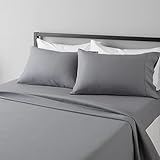
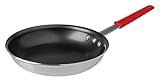
What to skip (for now)
The fastest way to blow a first-month budget is to buy the apartment you imagine instead of the one you live in. Here is what we would hold off on.
Matching sets of anything. A forty-piece dish set, a twenty-piece knife block, a full cookware collection. You will use four plates and one knife. Buy the small version and add pieces when you notice a gap.
Specialty appliances. The air fryer, the stand mixer, and the espresso machine are all lovely, and all of them can wait until you know how you cook. Give yourself sixty days of actual meals first.
Wall art and decor. Not forever, just for the first month. Blank walls are free. You will have a much better sense of what the space wants once you have lived in it, and you will make better choices with a paycheck behind you.
Cheap furniture you will replace. A flimsy desk or bookshelf that wobbles on arrival is money spent twice. If you cannot afford the good version, use a folding table or secondhand piece for now and save the difference.
Anything you cannot return easily. Check return windows on the big stuff. A membership is only a bargain if you are buying things you will keep.
Month one: the make-it-yours wave
Once you have slept, eaten, and showered in the place for a few weeks, you know things you could not have known on move-in day. Month one is for fixing what turned out to be annoying and then, finally, adding the fun stuff.
Fix the annoyances first. Is there nowhere to put your shoes? Do the cables on the desk look like spaghetti? Is the bedroom too bright at 6 a.m.? Solve the real problems before you buy decorative ones. Storage, cable management, and a second lamp usually top the list.
Build a pantry that matches your actual habits. After a month you know what you really cook. Stock up on those staples: rice, pasta, oil, spices, canned tomatoes, and whatever your two or three go-to dinners require. Recurring deliveries for the boring stuff (paper towels, trash bags, detergent) mean one less thing to remember.
Start a small emergency kit. Flashlight, batteries, a basic first-aid kit, a few days of shelf-stable food, a phone charger that lives in one place. Nobody plans to need it. Everyone is glad when they do.
Set a monthly home budget. Pick a number for household spending, and let it include one “fun” purchase. A plant, a rug, a nice candle. This is what keeps the apartment from feeling like a waiting room.
Review your subscriptions. By week four you have probably signed up for several things. Cancel the ones you are not using, and make sure the ones you are keeping are the ones that actually pay you back.
Why Prime for Young Adults fits this checklist
Look at what the three waves have in common: lots of small, practical purchases in a short window, usually from someone with no car, a tight budget, and not much time. That is the situation a young-adult membership is designed around. The main benefits you will actually feel are fast shipping on the week-one essentials, easy returns when a measurement turns out wrong, and the ability to reorder the boring recurring stuff without a store trip.
We are deliberately not quoting prices or eligibility rules here, because Amazon sets those and changes them. Generally speaking, the program is aimed at people early in their adult lives, and the sign-up page spells out who qualifies, what it costs, and how any introductory period works. Read that page before you commit, and set a calendar reminder for whenever any trial or intro rate ends, so there are no surprises on a statement.
One honest caveat: a membership is not automatically a good deal. If you are going to order twice a year, it is not worth it. If you are furnishing a whole apartment over a few weeks and plan to keep ordering the basics, it very likely is. Be realistic about which person you are.
Check your eligibility before the big order
If you are about to buy most of your first-apartment basics online, look at the Prime for Young Adults page first. It shows current eligibility, pricing, and what is included, so you can decide with real numbers.
See Prime for Young Adults →Frequently asked questions
What do I actually need for my first apartment?
For week one: bedding and something to cover the windows, one pan and one pot, a knife, a few plates and utensils, cleaning basics, towels, a plunger, power strips, and a lamp. Everything else can wait until you have lived there a few weeks.
How much should I budget to set up a first apartment?
It depends heavily on what comes with the place and whether you buy new or secondhand. A better question is how to sequence it: spend on sleep, food, and light first, and spread decor and bigger furniture across the next few paychecks.
When should I start shopping for a first apartment?
Book internet and utilities as soon as you sign the lease, measure the space, and order the bulky essentials a week or two before move-in so they arrive when you do. Save the nice-to-haves for month one.
Is Prime for Young Adults worth it for a new grad?
It can be if you will be placing a lot of orders while you furnish the apartment and plan to keep ordering basics afterward. If you rarely order online, it probably is not. Check the sign-up page for current eligibility and pricing and weigh it against how much you really buy.
Who qualifies for Prime for Young Adults?
The program is aimed at young adults, and Amazon sets the specific requirements. They can change, so the sign-up page is the only reliable source for current terms.
What should I buy secondhand instead of new?
Solid wood furniture, bookshelves, and desks are often better secondhand than the cheap flat-pack equivalent. Buy new for anything that touches your body or your food: mattress, pillows, sheets, and cookware.