Most skincare is overpriced placebo. The active ingredients that have decades of research behind them — retinoids, vitamin C, SPF, niacinamide, hyaluronic acid — are available in inexpensive formulations that work as well as luxury versions. This list covers what's actually worth spending money on versus where price means nothing.
- Top pickEltaMD UV Clear Broad-Spectrum SPF 46~$38
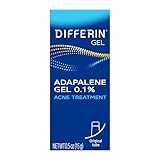
- Best budgetDifferin Adapalene Gel 0.1% (45g)~$15
The three actives that matter (and everything else is optional)
Sunscreen every day. Retinoid at night. Vitamin C in the morning. That's it. If you do nothing else, do these three things and you'll outperform 95% of elaborate 12-step routines that cost five times as much.
1. SPF — the most important thing in skincare, full stop
UV exposure is responsible for the vast majority of skin aging and skin cancer risk. Nothing else you do matters as much as daily SPF. EltaMD UV Clear is the gold standard for face SPF — it's tinted slightly, contains niacinamide, is non-comedogenic (won't clog pores), and sits well under makeup. At $38 it's not cheap but it's what dermatologists actually recommend to themselves.
2. Retinol/Retinoid — the anti-aging evidence winner
Decades of research. Retinoids work. They increase cell turnover, stimulate collagen production, reduce fine lines and pigmentation. Start low (0.025–0.1%), use 2–3 nights per week, increase gradually. The Differin Adapalene Gel (0.1%) is now over-the-counter, dermatologist-strength, and costs $15. It's what dermatologists prescribed for $80+ not long ago. The barrier to starting is lower than it's ever been.
3. Vitamin C serum — morning antioxidant baseline
L-ascorbic acid (vitamin C) in concentrations of 10–20% has good evidence for brightening skin tone and enhancing SPF effectiveness. The issue: it's unstable and degrades quickly. TruSkin's vitamin C serum is one of the more stable formulations available at a non-luxury price. If it turns orange in the bottle, it's oxidized and you should replace it. Apply before SPF in the morning.
4. Moisturizer — simple and inexpensive is correct
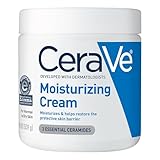
CeraVe Moisturizing Cream contains ceramides, hyaluronic acid, and niacinamide in a clinically backed formulation that was developed with dermatologists. It costs $17 for a large tub. It does what $80 moisturizers do. The reason expensive moisturizers don't work better isn't conspiracy — it's chemistry. Most actives have a limit to what they can do, and the expensive ones aren't meaningfully closer to that limit.
What to skip
Toners (mostly pH balancing — if you're using gentle products, you don't need it). Essence (Japanese skincare staple, useful but not essential). Expensive peptide serums (some evidence, but not at the levels claimed). Crystal rollers and gua sha (no evidence beyond massage benefits, which any massage provides). Eye creams (just use your moisturizer, gently). Most luxury skincare brands (paying for fragrance and packaging, not efficacy).