Robot vacuums have gone from novelty to genuinely useful in a short time. The cheap ones still bump around randomly and miss entire rooms. The mid-range ones navigate intelligently and actually clean your floors. The expensive ones mop too, empty themselves, and require almost no human involvement. Here's where the value is at each tier.
- Top pickEufy RoboVac 11S Max~$200
- Worth the splurgeiRobot Roomba j7+ Self-Emptying Robot Vacuum~$550
Best budget pick ($200–250): Eufy 11S Max
If you just want a robot vacuum that actually works without spending $400+, the Eufy 11S Max is it. It's slim (fits under most furniture), quiet, has strong suction for a budget model, and works without a required app subscription. No mapping — it bounces around the room — but it covers the floor and picks up pet hair, dust, and debris reliably. For smaller spaces or single-floor homes with no complex layouts, it's all you need.
Best mid-range ($300–400): Roomba 694
The Roomba 694 is the entry point to iRobot's ecosystem — Wi-Fi connected, app-controlled, works with Alexa and Google Home, and uses iRobot's Dirt Detect technology to spend more time on dirtier areas. It doesn't have mapping (it navigates reactively) but it cleans thoroughly and integrates well with smart home setups. iRobot's longevity means parts and support are available for years.
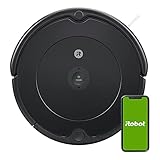
Best with mapping ($400–500): Shark AV2001WD IQ
Mapping is the game-changer. A mapped robot vacuum can be told "clean the kitchen" or "clean the bedroom" and go directly there. The Shark IQ uses home mapping, has a self-emptying base (the single best quality-of-life upgrade in the category), and has strong suction for pet hair. The self-emptying base means you interact with the vacuum maybe once a month to empty the base bin. That's the right ratio.
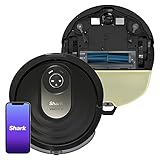
Best for pet owners: Roomba j7+
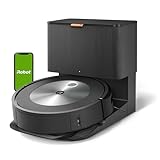
The Roomba j7+ is the one to get if you have pets and don't want to babysit the robot. It uses AI to detect and avoid pet waste, pet toys, cables, and socks before running over them. The self-emptying base holds 60 days of debris. iRobot guarantees it will avoid solid pet waste or they'll send a free replacement unit — the only company to make that guarantee.
The honest truth about robot vacuums
A robot vacuum doesn't replace your upright. It supplements it — keeping your floors clean between deep cleans so you only need to vacuum manually every 2–3 weeks instead of weekly. If you go in with that expectation, even budget models feel like magic. If you expect it to replace all floor cleaning entirely, you'll be disappointed.
Frequently asked questions
Do robot vacuums work on thick carpet?
Most robot vacuums work on low-to-medium pile carpet. High-pile or shag carpet is problematic — the robot gets stuck and doesn't clean well. Check the specifications before buying.
Are robot vacuums good for pet hair?
Yes, especially models with rubber brush rolls instead of bristle brushes (rubber doesn't tangle with pet hair). The Roomba j7+ and Shark IQ are the top picks for pet owners.
Is a self-emptying base worth it?
Significantly yes. A standard robot vacuum requires you to empty the dustbin after every 1–2 runs. A self-emptying base handles this automatically for 30–60 days. The time and mental overhead savings are real.
How often should I run a robot vacuum?
Daily is ideal for pet owners and households with kids. Every other day works for most people. The robot handles the ongoing maintenance; you do a deeper manual vacuum monthly.