Most business books are 250-page blog posts. One good idea, repeated in every chapter with anecdotes and case studies until it reaches publishable length. This list is the exception: books where the density of useful ideas per page is actually high. None of these will tell you to "hustle harder" or "find your why." They'll tell you specific, useful, hard-won things.
1. The Mom Test — Rob Fitzpatrick
The best book on customer discovery and talking to potential customers ever written. Teaches you how to have conversations that give you real information instead of validation. The title comes from the concept that you can ask your mom about your startup idea and she'll say it's great — the book teaches you how to ask questions that even your mom can't lie to. Essential if you're building anything. Only 130 pages. Read it in an afternoon.
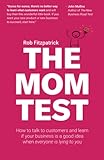
2. Working Backwards — Colin Bryar & Bill Carr
Written by two Amazon executives, this is a serious operational book about how Amazon actually runs — the six-pager documents, the PR/FAQ process, the leadership principles in practice, the flywheel. Not hagiography. The framework for building products by starting with the press release and working backwards is genuinely one of the best product development ideas anyone has had, and it's described here in enough detail to actually implement it.
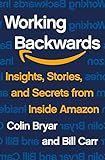
3. The Hard Thing About Hard Things — Ben Horowitz
The honest business book. Horowitz writes about what it actually feels like to run a company — the nights you can't sleep, the layoffs, the imposter syndrome, the decisions with no right answer. None of the "5 habits of highly effective" framework nonsense. Just a smart person being honest about how hard building something is. The rap lyrics are a bit much, but the content is worth it.
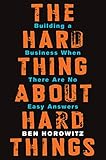
4. Obviously Awesome — April Dunford
Product positioning. Most companies get it wrong and never figure out why their product doesn't sell the way it should. Dunford is the best person in the world at explaining positioning — not as a marketing concept, but as a strategic one. Extremely practical, with actual frameworks and examples. Under 200 pages. For anyone building or marketing a product.
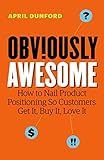
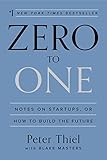
5. Zero to One — Peter Thiel
The one you've probably heard of that actually deserves the reputation. Thiel argues that competition is for losers and monopoly is the goal — not in the pejorative sense but in the structural sense. The ideas about secrets, the power law in venture, and why startups should focus on going from 0 to 1 (creating new things) rather than 1 to N (copying what exists) are genuinely clarifying. Not everything Thiel does is worth defending, but this book is.
The five I almost included
Thinking Fast and Slow (Kahneman) — essential but dense. Competing Against Luck (Christensen) — the best jobs-to-be-done book. The Innovator's Dilemma — dated in specifics but still clarifying. High Output Management (Grove) — the best management book, especially for engineers becoming managers. Never Split the Difference — negotiation, highly practical.