Somewhere in your kitchen, there's an appliance that cost more than your first car payment and gets used four times a year — for the birthday cake, maybe, or the one ambitious sourdough phase in early 2024. Meanwhile, in a drawer, there's a $15 strip of stamped steel that you've picked up more times this week than you've thought about your stand mixer all year. That's the Microplane zester. It doesn't have a motor, a bowl, or a warranty card you'll never fill out. It has one job — shaving fine curls off of things — and it does that job so often, so reflexively, that most people don't even register it as "kitchen gear" anymore. It's just the thing you grab.
- Top pickMicroplane Classic Zester/Grater~$15
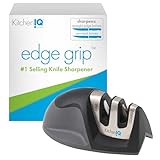
- Best budgetKitchenIQ Edge Grip 2-Stage Knife Sharpener~$8
- Worth the splurgeVictorinox Fibrox Pro 8" Chef's Knife~$45
This isn't a knock on stand mixers. They're genuinely great at the narrow slice of cooking that involves creaming butter and sugar for forty-five minutes. But "genuinely great at one thing you do occasionally" and "genuinely great at ten things you do constantly" are very different value propositions, and the zester wins that argument every single week without anyone declaring a winner. Here's the case for the most underrated tool in your kitchen, plus the handful of other cheap, quiet workhorses that deserve the same respect.
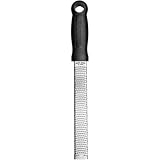
Citrus zest is where it earns its keep instantly
If you've only ever used the small holes on a box grater to zest a lemon, you already know the problem: you get zest, sure, but you also get a knuckle full of bitter white pith and a lime that looks like it lost a fight. A Microplane solves this in one pass. The blade sits just above the surface of the fruit and shaves off only the fragrant, oily outer layer — the part that actually carries the flavor — leaving the pith behind entirely. The difference in taste isn't subtle. Zest from a Microplane tastes bright and clean; zest scraped off with the wrong tool tastes faintly bitter, because you dragged pith along with it whether you meant to or not.
And zest matters more than people give it credit for. A teaspoon of lemon zest stirred into pasta at the end of cooking wakes up the whole dish. Lime zest in guacamole does more work than the extra squeeze of juice everyone reaches for instead. Orange zest in a vinaigrette, grapefruit zest over roasted fish, even a little zest whisked into whipped cream — this is the cheapest flavor upgrade in cooking, and it requires a tool most people don't own or have lost somewhere in a drawer full of rubber bands and takeout menus.
Garlic and ginger, minced without the cutting board
This is the use case that converts people. Mincing garlic with a knife is fine, but it's also a whole production — cutting board, knife, the little bits that stick to the blade, the smell on your hands for the rest of the day. Run a clove across a Microplane instead and you get a fine, almost paste-like mince in about four seconds, with none of the knife cleanup and none of the garlic press's annoying little holes that trap fibrous pulp you then have to dig out with a toothpick. It's faster than the "proper" method and produces a finer result, which is exactly the kind of tradeoff that should not exist but somehow does.
Fresh ginger gets the same treatment. Skip peeling it entirely — just scrape off the thin skin with a spoon, then grate the root straight into your stir-fry, marinade, or tea. You get all the heat and brightness of fresh ginger without the stringy fibers that a knife leaves behind, because the Microplane's tiny etched teeth break down the fibrous parts along with everything else. This is the difference between "ginger chunks you pick out of your food later" and "ginger flavor that's actually distributed through the dish."
Parmesan, without dragging out the food processor
A wedge of real parmesan and a Microplane is one of the fastest ways to make a mediocre bowl of pasta taste like a restaurant made it. The fine, feathery curls that come off a Microplane melt into hot food almost instantly, coating noodles and risotto in a way that pre-shredded bagged cheese — which is coated in anti-caking starch specifically so it doesn't melt smoothly — simply can't match. Grating tableside over soup, salad, or roasted vegetables also just feels like a small act of hospitality that costs you nothing but thirty seconds.
The practical case is just as strong. A food processor attachment for shredding cheese means pulling out a bulky machine, assembling the shredding disc, and washing three extra parts for a job that a zester does standing at the counter in less time than it takes to find the food processor's power cord. This is the whole thesis of this article in miniature: the tool that requires zero setup wins, even when the "real" appliance is more powerful on paper.
The baking and pantry uses nobody mentions until they own one
Once a Microplane earns a permanent spot within arm's reach, people start finding uses for it that have nothing to do with the recipe they originally bought it for. Whole nutmeg, grated fresh directly over eggnog, oatmeal, or a béchamel, tastes dramatically more fragrant than the pre-ground stuff that's been sitting in a jar since a previous administration. Fresh cinnamon sticks and whole cloves work the same way, if you can find them — most people never bother because pre-ground spice is the default, but fresh-grated warm spices are noticeably more potent, which means you use less and it lasts longer.
Chocolate is the other sleeper use. A quick pass of a Microplane over a bar of dark chocolate produces fine shavings for the top of a latte, a plated dessert, or — honestly — just eaten straight off the blade when nobody's looking. It also works in reverse for baking: cold butter grated straight into pie dough or biscuit dough incorporates faster and more evenly than cutting it in with a pastry blender, and it stays colder longer, which is exactly what you want for flaky layers.
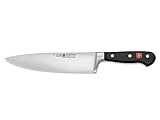
The rest of the quietly essential drawer
The zester isn't alone in this category — it's just the clearest example of a pattern worth paying attention to when you're deciding what to actually buy for a kitchen. Cheap, single-purpose tools that do one thing extremely well tend to get used far more often than expensive multi-function appliances that do everything acceptably. A few others that earn their keep the same way:
Storage matters too, especially once you're actually using fresh garlic, citrus, and hard cheese on a regular basis instead of letting them go soft in the crisper drawer. A set of airtight containers keeps peeled ginger, leftover parmesan rinds (save those for stock — don't @ us), and half a lemon from turning into science experiments before you get back to them.

And if fresh-grated nutmeg and lemon zest are working their way into your baking, a good non-stick mat means the cold butter, sticky dough, and citrus oil you're now using more often don't turn cleanup into its own project.
Why the comparison to the stand mixer isn't actually unfair
A stand mixer is a genuinely useful machine for a genuinely narrow slice of cooking: stiff doughs, whipped egg whites, long creaming jobs where your arm would otherwise give out. If you bake bread weekly or make buttercream for a living, it earns its counter space and then some. But for most households, it's a special-occasion tool — pulled out for one recipe a month, then wiped down and pushed back to the far corner of the counter where it becomes a landing pad for mail.
The zester, by contrast, gets used in the 15-minute weeknight window between "what's for dinner" and actually eating it. It doesn't have a footprint problem, a cord to find, or parts to wash beyond itself. It costs less than a bag of specialty flour and it will outlast several stand mixers if you take care of it — hand wash, dry it, and don't let it sit wet in a sink where the fine teeth can dull against other metal. That's a genuinely tiny amount of maintenance for a tool that touches nearly every meal you cook.
None of this means skip the stand mixer if baking is your thing. It means recognize that "expensive and impressive" and "actually used" are frequently two different lists, and the $15 zester belongs on the second one in a way very few kitchen purchases do.
Frequently asked questions
Is a Microplane really better than a box grater for zesting?
Yes, noticeably. A box grater's small holes are designed for shredding, not zesting, and they tend to dig into the bitter white pith underneath the colorful outer skin of citrus. A Microplane's flat, razor-thin blade sits just above the surface and shaves off only the fragrant outer layer, which is both easier to control and produces better-tasting zest.
Can a Microplane replace a garlic press?
For most people, yes. It mashes garlic into a fine, almost paste-like mince in a few seconds, with no fibrous pulp stuck in tiny holes to dig out afterward. The one place a garlic press still wins is if you're processing a large quantity at once — a Microplane is built for a clove or two at a time, not a whole head.
How do you clean a Microplane without cutting yourself?
Rinse it immediately under running water while the food is still soft, using a small brush or an old toothbrush to clear anything stuck in the teeth, rather than wiping it with your fingers. Most Microplanes are technically dishwasher safe, but hand-washing keeps the blade sharper for longer, since dishwasher detergent and the jostling of other utensils can dull the fine edges over time.
What's the difference between a Microplane and a cheap knockoff zester?
The blade quality. Microplane's blades are photo-etched, a process that creates thinner, sharper, more consistent teeth than the stamped or punched blades used in cheap imitations. A knockoff will tear citrus peel and leave you working twice as hard for a rougher result — this is one of those rare kitchen tools where the name-brand version genuinely performs differently, not just better packaging on the same product.
Is fresh-grated nutmeg actually worth the extra step over pre-ground?
Yes, more than most people expect. Nutmeg loses its essential oils — where nearly all the flavor and fragrance live — within weeks of being ground, so a jar of pre-ground nutmeg that's been in your pantry for a year is delivering a fraction of its original flavor. A few strokes of a whole nutmeg seed across a Microplane, done fresh right before you use it, is dramatically more fragrant and means you'll use less to get more flavor.
Do I need more than one Microplane?
Not really, unless you're grating very different things in the same cooking session and don't want to stop and rinse it — for example, garlic and then chocolate for the same dish. A single Classic Zester handles citrus, garlic, ginger, hard cheese, whole spices, and chocolate without any issue. Some people add a coarser ribbon grater for cheese specifically, but it's a nice-to-have, not a necessity.