You can turn a shoebox of handwritten recipe cards into an audio cookbook in a weekend: type up the recipes, rewrite them so they work when heard instead of read, then record them with an AI narrator or a relative’s own voice. Pack the files into a shared folder, print a card with a QR code, and you have a holiday gift that sounds like your family.
Every family has the card. Grease-spotted, measurements abbreviated, a margin note that says “cook until it looks right.” A printed cookbook freezes that recipe on a page. Audio lets someone stand at the stove with flour on their hands and hear the steps in a voice they love.
Hear a recipe read aloud before you commit
Paste one recipe card into ElevenLabs and listen. The free tier is about 10,000 characters a month, enough to test a few recipes and pick a narrator before you spend anything.
Try ElevenLabs free →Gather the recipes and get them into text
Start with a ruthless list. Ten to fifteen recipes is a gift; sixty is a second job. Ask each relative for their two or three non-negotiables, the dishes that would cause a small riot if they vanished from the holiday table. Photograph every card, front and back, because the back is where the real instructions often live.
Then type them out. Your phone’s text recognition handles printed cards fine and tidy cursive reasonably well, but treat it as a rough draft. It turns “1 tsp” into “1 top” with alarming confidence, so check every line against the photo. For illegible ones, call whoever wrote it. That call is half the point of the project.
Keep a running list of questions as you go. What size pan? What does “a moderate oven” mean in Grandma’s kitchen? A recipe written for the cook who wrote it assumes everything. A recipe written for a listener has to say those assumptions out loud.
Rewrite for the ear, not the eye
This step separates a keepsake from a robot reading a grocery list. On paper you can skim. Audio is linear, so the script has to do the skimming for the listener.
- Open with the story, briefly. “This is Nana’s Sunday sauce, and she made it every week for forty years.” Then stop.
- Read the ingredients as a counted list. “You will need seven things,” then one at a time, amount first, with a pause between each.
- Number the steps out loud. One action per step, or two closely linked ones.
- Keep times and temperatures in the same sentence as the action. “Bake at three hundred seventy-five degrees for thirty-five minutes.”
- Write numbers the way you say them. “One and a half cups,” not “1½ c.” Abbreviations are the top cause of awkward narration.
- Close with a doneness cue. “It is ready when the edges pull away from the pan.” That is what the margin note was trying to say.
Read each script aloud once before generating anything. If you stumble, the narrator will too, and anywhere you run out of breath deserves a paragraph break.
AI narration or a relative’s real voice?
This is the real decision, and there is no wrong answer, only different gifts.
A real recording wins on feeling every time. Nothing synthetic matches your uncle laughing halfway through his chili instructions. Use a phone held a hand-width from their mouth, switch off the refrigerator hum if you can, and do two takes. The catch: not everyone will sit still for a dozen recordings, and one flubbed ingredient means another take.
AI narration wins on consistency and effort. You write the script, pick a warm voice, and generate the book in an afternoon. Fixing a mistake means changing a sentence and regenerating. ElevenLabs is what we reach for here because the voices have real inflection, so ingredient lists get rhythm and steps get natural pauses. It also covers 70+ languages, a gift for families whose recipes began in a language the kids are still learning.
The best answer for many families is both: AI narration for the clean recipe tracks, plus a few real-voice bonus tracks, like a grandmother telling the story behind the dish. The utility lives in the first, the heart in the second.
If you want a relative’s voice reading the recipes
ElevenLabs offers voice cloning, including instant cloning on the $5 Starter tier. It is remarkable for a project like this, and it requires identity verification, with the voice belonging to the person verifying or being used with their clear permission. That is not red tape to work around. It is the point.
So the rule is simple: get explicit, informed consent from the person whose voice it is before you record a single sample. Tell them what you are making, who will hear it, and what the clone will say. Get a yes you could repeat back, ideally in writing. Never clone a relative as a surprise. Never clone someone who has passed away without checking with the family members who have a say. And only have the voice say things the person would recognize as theirs, such as their own recipes in their own words.
Cook the recipes before you record them
Cook each dish once from your rewritten script, reading it aloud as you go. Every family recipe has a hole in it: the missing salt, the skipped rest time, the pan that is obviously 10 inches though nobody wrote it down. Spoken steps expose these fast, and it is much cheaper to fix a sentence than to re-record.
You do not need new gear for this. If you are cooking through a whole book and want the results to match the memory, these three earn their place:
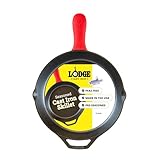
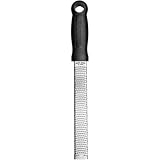
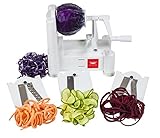
If you already own a skillet and a decent grater, skip all of it. What to skip regardless: “recipe preservation kits,” fancy card binders you will never open, and any app that charges a monthly fee to store text you already have in a notes app. The recipes are the valuable thing.
Record, name, and package it as a gift
Generate each recipe as its own file. Short files are easier to fix, easier to share, and friendlier to a listener who wants to jump straight to the pie. Name them so a grandparent can read them: “01 Nana’s Sunday Sauce,” not “final_v3.” Listen to every file with the script in hand, and watch family dish names, which are the likeliest to be mispronounced. If a render stumbles, respell the word phonetically in the script and regenerate. It feels silly and it works.
Mind the character count. The free tier will cover a few recipes; a full book will want a paid month. The $5 Starter tier adds a commercial license and instant voice cloning, which matters only if you plan to sell the result or clone a voice. For a one-time gift, one month is usually enough, so set a reminder to cancel.
Audio is invisible, so the packaging does the persuading. Three formats work:
- A shared folder with a QR code card. Upload the files to a view-only shared folder, turn the link into a QR code, and print it on nice cardstock beside a photo of the original handwritten card. This is our top pick: cheap, elegant, and it works on any phone.
- A private podcast-style feed. More setup, but the cookbook lands in the app your relatives already use. Worth it for a big family.
- A USB stick in a recipe box. Best for grandparents who would rather not scan anything. Include a printed track list.
Add a thirty-second cover track in your own voice explaining what this is. Test the link on someone else’s phone before you print fifty cards, because a QR code that opens a “request access” page is a very bad gift. And tell everyone to download a copy. Links die; files do not.
Start the family cookbook this weekend
Free tier, no card required. Paste in your first recipe, pick a narrator, and hear whether it feels right. If you later clone a relative’s voice, do it only with their explicit consent.
Try ElevenLabs free →Frequently asked questions
How many recipes should an audio family cookbook include?
Ten to fifteen is a good target. It feels like a real collection and is small enough to finish before the holidays. You can always add a second volume next year.
Can I clone my grandmother’s voice for the recipes?
Only with her explicit consent, and only if she completes the identity verification ElevenLabs requires for voice cloning. Explain what you are making and who will hear it. If she cannot consent, use a standard narrator voice and add real recorded clips instead.
Do I need a microphone to record real voices?
No. A modern phone held about a hand-width from the speaker is fine for a family keepsake. Use a quiet room and do a short test first.
Is the ElevenLabs free tier enough for a whole cookbook?
The free tier includes about 10,000 characters per month, which covers a few recipes. A full cookbook will likely need a paid month, and the $5 Starter tier is the usual hobby choice. Check current plan details on the ElevenLabs site.
How do I share the audio with relatives who are not tech-savvy?
A printed card with a QR code that opens a shared folder works for most people. For anyone without a smartphone, load the files onto a USB stick and include a printed track list.
How do I make recipes sound natural when read aloud?
Spell out numbers and measurements, count the ingredients before reading them, give each step one action, and keep times and temperatures in the same sentence as the step. Read the script aloud once before generating audio.