At some point every coffee drinker hits the same wall: the drip machine stopped feeling special, someone posted a beautiful photo of a Chemex online, and now you're standing in a kitchen aisle deciding between three devices that all promise "better coffee" without explaining what that actually means. Pour-over, Aeropress, and French press are where beginners land first, for good reason — none require a $2,000 espresso setup or a barista certification. But they're genuinely different experiences, and the "best" one depends entirely on how much patience you have at 6:45am.
- Top pickChemex 6-Cup Pour-Over Coffee Maker~$45
- Best budgetAeropress Original Coffee Maker~$35
- Worth the splurgeBaratza Encore ESP Burr Grinder~$200
This isn't a ranked list. It's a comparison, because the honest answer is that all three make excellent coffee when done right, and the wrong one for your life will sit in a cabinet gathering dust no matter how good the coffee inside it is. Here's what actually separates them.
The 30-second answer
Want a light, clean, bright cup and don't mind a few minutes of active attention? Pour-over. Want something close to pour-over quality but faster, more forgiving, and travel-friendly? Aeropress. Want the simplest possible routine, a fuller-bodied cup, and zero paper filters to buy? French press. All three beat a drip machine. None of them beat fresh-ground beans, which matters more than the brewer you choose.
Pour-over: the ritual method
Pour-over is coffee as a small daily ceremony. You place a filter in a cone, add grounds, and pour hot water over them in slow, deliberate stages — a "bloom" pour to let the coffee degas, then circular pours that control how water moves through the grounds. Done well, it produces a cup that's clean and bright, showing off the actual character of the beans — citrus in an Ethiopian roast, chocolate in a Colombian one — in a way drip machines and French press both muddy.
The Chemex is the classic entry point, and it earns that reputation. It's been made the same way since 1941, it's genuinely beautiful on a counter, and its extra-thick paper filters remove essentially all sediment and oils, producing the cleanest cup on this list. The tradeoff is time and attention — a proper pour takes 4–5 minutes and you can't really walk away mid-pour. Pour too fast and you under-extract; pour too slow and you scorch the grounds. It rewards practice.
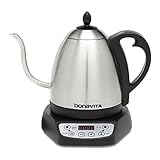
Something beginners aren't warned about: a regular kettle actively works against you here. It pours in a heavy, uncontrolled stream that over-saturates part of the coffee bed and under-saturates the rest. A gooseneck kettle fixes this with a thin, steerable stream you can control down to the second. It sounds like a gimmick until you use one — then pour-over suddenly makes sense.
Aeropress: the underrated all-rounder
The Aeropress looks like a giant plastic syringe, and that's basically what it is — a chamber where coffee steeps briefly before you press it through a paper microfilter using air pressure. That pressure is the whole trick: it extracts faster and more efficiently than gravity alone, producing a rich, slightly concentrated cup in about two minutes, cleanup included. It's forgiving in a way pour-over isn't — you don't need a slow, steady hand, and a slightly-off grind or pour still makes a good cup.
It's also nearly indestructible — BPA-free plastic that survives being dropped and packs flat into a backpack. That's why it shows up so often in the gear bags of competitive baristas traveling for work: reliability and speed matter more on the road than a beautiful glass vessel. If your mornings are rushed, or you want one device that works equally well at home and in a hotel room, the Aeropress is the practical answer pour-over enthusiasts sometimes undersell simply because it isn't as photogenic.
French press: the simplest routine, honestly assessed
French press is the method most people already half-know — a cylindrical carafe, coarse grounds, hot water, a few minutes to steep, then a plunger pushes a mesh filter down through the grounds. No paper filters to buy or run out of, no pouring technique to learn, no gooseneck kettle required. You dump, wait, plunge, pour. It's the lowest-effort method here by a wide margin, and the cup is fuller-bodied and heavier than pour-over or Aeropress, because the metal mesh lets fine particles and natural oils through instead of trapping them the way paper does.
That same lack of a paper filter is its biggest tradeoff. Some sediment always makes it into the cup — a little grit at the bottom is normal, not a mistake — and the oils that pass through give French press coffee a heavier, sometimes slightly muddier mouthfeel compared to the clarity of a Chemex. Cleanup is messier too: wet grounds cling to the mesh and need knocking out and rinsing, rather than lifting out one self-contained paper filter and tossing it. If you want the absolute least effort and don't mind a fuller, less delicate cup, French press is genuinely great. If you want a light, clean cup that highlights individual bean characteristics, it's the weakest of the three.
We'll be straight with you: we don't currently have a specific French press we're confident standing behind in this guide, so instead of recommending one just to fill the slot, we'd point you toward the Chemex or Aeropress above — both methods we've actually vetted down to the specific product. If you already own a French press, the notes above will still get you a solid cup; we just don't have a current pick worth linking to here.
Effort, cleanup, taste, and cost — the real comparison
Specs and marketing copy don't tell you what actually changes your morning. This does.
| Category | Pour-over (Chemex) | Aeropress | French press |
|---|---|---|---|
| Active time | 4–5 min, hands-on the whole time | 2 min, mostly hands-on | 4–5 min, mostly hands-off (steeping) |
| Skill curve | Steepest — pour rate and pattern matter | Gentle — forgiving of small mistakes | Easiest — dump, wait, plunge |
| Cleanup | Toss the paper filter, rinse glass | Eject the puck, toss filter, rinse | Knock out wet grounds, rinse mesh |
| Taste profile | Clean, bright, highlights subtle notes | Rich, full, slightly concentrated | Heavy-bodied, some sediment, more oils |
| Sediment in cup | None — paper traps it all | Minimal with paper filter | Some — expected with mesh |
| Travel-friendly | No — glass, breakable | Yes — plastic, packs flat | Not really — bulkier glass carafe |
| Starting cost | ~$45 (plus filters, ~$10/100) | ~$35 (filters included, cheap restock) | ~$25–40 (reusable filter, no ongoing cost) |
| Best for | Slow mornings, showing off good beans | Rushed mornings, travel, dorms, offices | Zero-fuss routine, fuller-bodied taste |
Notice what's missing from that table: which one makes "the best" coffee. That's the wrong question. A well-made French press and a well-made Chemex are both excellent — just excellent at different things. The honest way to choose is to be realistic about your actual mornings, not your aspirational ones. If you know you'll skip the ritual on busy days, buy the thing that survives busy days.
The one upgrade that matters more than any of these three
Every brewing method here is a multiplier on your beans, not a replacement for good ones. Pre-ground coffee starts losing aroma and flavor within about 20 minutes of grinding, no matter how expensive the bag was or how carefully you brew it. A burr grinder — which crushes beans into uniform particle sizes, unlike a blade grinder that chops unevenly — is the single biggest quality jump available to a home coffee setup, and it matters more than whether you choose pour-over, Aeropress, or French press.
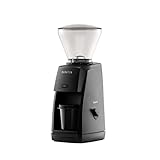
The Baratza Encore is the grinder people actually keep recommending once they've owned a few, because it's consistent, easy to clean, and has 40 settings covering everything from Aeropress-fine to French-press-coarse. If you're serious about any method above, this is the purchase that upgrades all three at once.
So which one should you actually buy?
If you enjoy a slow morning and want a cup that tastes noticeably more refined, start with the Chemex and a gooseneck kettle — accept that the first few pours will be rough, and that's normal, not a sign you bought the wrong thing. If your mornings are rushed or you travel often, the Aeropress is the pick — cheap enough that buying it "to try" is low-risk, and most people who try it end up using it daily. If you want the lowest-effort routine and don't mind a heavier, less delicate cup, a French press is perfectly good, even without a specific model to point you to here.
And if you already own a drip machine and aren't ready to add another gadget to the counter: buy the grinder first. It's the one upgrade that improves whatever you're already using, today, before you've spent a cent on a new brewing method.
Frequently asked questions
Which method makes the strongest coffee?
Aeropress, generally — the pressure extraction produces a more concentrated cup, closer to espresso strength than pour-over or French press. Dilute it with hot water for a milder, "Americano-style" cup if full strength is too much.
Do I need a gooseneck kettle for pour-over, or will any kettle work?
Any kettle technically works, but a regular kettle's wide, uncontrolled pour makes it hard to saturate the grounds evenly, which directly affects extraction and taste. A gooseneck isn't required to make drinkable coffee, but it's required to make consistently good pour-over — the difference between a hobby you enjoy and one you fight with.
Is French press coffee bad for you because of the sediment and oils?
Not in any meaningful way for most people. French press coffee contains more diterpenes (natural oils like cafestol) than paper-filtered methods, since paper traps them and metal mesh doesn't. Some research links heavy, daily unfiltered coffee intake to modestly higher cholesterol over years — worth knowing, not worth panicking over for an occasional cup.
What grind size should I use for each method?
Pour-over: medium, similar to sea salt. Aeropress: medium-fine to fine, depending on brew time. French press: coarse, similar to breadcrumbs — a fine grind slips through the mesh filter and leaves excess sediment in your cup.
Can I use pre-ground coffee with any of these methods?
Yes, all three work with pre-ground coffee, but you'll notice a real drop in flavor and aroma compared to grinding fresh right before brewing. If you're not ready to buy a grinder yet, buy whole bean and have it ground at purchase — not as good as grinding at home, but meaningfully better than coffee pre-ground for weeks.
How much coffee and water should I use to start?
A standard starting ratio across all three methods is about 1:16 — roughly 1 gram of coffee for every 16 grams (or milliliters) of water. Without a scale: about 2 level tablespoons of coffee per 6 ounces of water, then adjust to taste from there.
Which one is easiest to clean up?
Aeropress and pour-over are both easy — you eject or lift out a self-contained paper filter with the grounds inside and toss it, then rinse. French press requires knocking wet, loose grounds out of the carafe and rinsing the mesh filter by hand, which takes longer and is more prone to leaving grounds in the sink drain.