A Kindle Unlimited hidden gem is a book that would normally get buried under bestseller lists and algorithm noise — but because it's already sitting in your subscription, it costs you nothing extra to take a chance on it. That's really the whole idea behind Kindle Unlimited hidden gems: strong midlist and indie titles that aren't famous enough for a celebrity book club pick, but earn five-star reviews from readers who stumbled onto them by accident. You get to gamble on a weird premise, a debut author, or a niche subgenre without spending $15 to find out if you like it — and if it's not for you, you just close the app and try the next one.
Read everything in this list for free
Most of these picks are on Kindle Unlimited. The free trial covers a month of unlimited reading.
Try Kindle Unlimited free →- Top pickThe Midnight Library by Matt Haig~$13
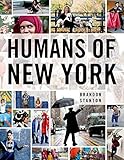
- Worth the splurgeHumans of New York by Brandon Stanton~$25
This isn't a giant "50 best books" dump. It's a genre-by-genre map of where Kindle Unlimited quietly overperforms, so you can go straight to the shelf that matches your taste instead of scrolling the homepage for twenty minutes.
The genre breakdowns below are a starting point, not a guarantee — the catalog rotates. The fastest way to see what's actually available in your favorite genre right now is to start a free trial and browse it yourself.
Start my free trial →What actually makes a book a "hidden gem" on Kindle Unlimited
A few things separate a genuine hidden gem from a book that's just obscure for a reason. First, ratings depth that doesn't match visibility — a title sitting at 4.5+ stars from a few thousand reviews, but with no marketing push and no place on a bestseller list. Second, it tends to come from an indie or self-published author, or a midlist author whose backlist got overshadowed by one breakout hit. Third — and this is the part algorithms miss — it's usually part of a series, because Kindle Unlimited's economics reward binge-able backlists more than any other reading format. A publisher has no incentive to advertise book four of an eight-book indie fantasy series. Kindle Unlimited's rotating catalog does that work for you, once you know where to look.
Romance: Kindle Unlimited's deepest well
If there's one genre where Kindle Unlimited genuinely rivals or beats traditional publishing in sheer volume, it's romance. Indie romance authors built entire careers inside the KU ecosystem specifically because "borrows" pay out per page read — which means small, unknown authors who deliver a book readers can't put down get compensated the same way a bestseller does. That incentive produced an enormous, constantly refreshing supply of enemies-to-lovers, small-town, sports, and dark romance series that never touch a physical shelf.
The hidden-gem pattern in romance: authors with 10+ book backlists and strong review counts but almost no name recognition outside romance corners of BookTok. Those are usually the ones earning a living entirely from KU borrows, which keeps them motivated to hold quality — and release schedule — steady.
Thriller & mystery: where backlist beats new release
Big-name thriller releases from major publishers rarely land in Kindle Unlimited on release week — you'll usually still buy those outright. But the genre's hidden-gem sweet spot is backlist: self-published psychological thrillers, small-press procedurals, and cozy mystery series with 15+ installments that never got wide print distribution but built loyal readerships one borrow at a time. Cozy mystery in particular thrives in KU because readers who love one small-town-bakery-slash-murder series usually want the entire series, and buying all fifteen books individually would cost more than a year of the subscription.
Slow-burn psychological suspense in particular is strong in the indie KU catalog — cheap to write, cheap to read, and the readers who like it tend to read a lot of it.
Science fiction & fantasy: series depth is the whole point
Sci-fi and fantasy are where the "binge economics" argument for Kindle Unlimited is most obvious. Epic fantasy and LitRPG (book series built around game-like leveling systems) both tend to run long — eight, ten, sometimes twenty books — and that length is exactly what makes them expensive to buy outright and cheap to read through a subscription. A lot of the genre's most devoted hidden-gem authors write almost exclusively for KU readers, releasing a new installment every few months to a built-in audience.
The tell for a genuine hidden gem here: look for a series with a modest but devoted review base, a consistent release cadence, and cover art that looks self-designed rather than studio-polished. That's usually a sign the author is independent, prolific, and building directly for KU rather than chasing a traditional deal.
Literary fiction & book club favorites
Kindle Unlimited is thinner here than in genre fiction — literary fiction from major publishers usually sits outside the catalog, at least while it's new. But the backlist is worth digging through, and it's the category where "hidden gem" most literally applies: quiet, well-reviewed novels that never had a marketing budget behind them, the kind of book a friend hand-sells you instead of an algorithm. If your book club favorites lean toward the kind of quiet, high-concept fiction that made The Midnight Library a word-of-mouth hit, that's the shelf to dig around in — just don't expect every breakout hit to be included, since those titles are exactly the ones publishers hold back from subscription catalogs.
Memoir & narrative nonfiction
This is a quieter category for Kindle Unlimited, but a genuinely good one to explore if you're a nonfiction reader who's tired of paying full price to test a memoir you're not sure about. Independently published memoirs, essay collections, and narrative nonfiction on niche topics show up here far more than mainstream celebrity memoirs do — which is honestly where the actual hidden gems live. A well-told, specific personal story from a writer you've never heard of is exactly the kind of low-stakes discovery a subscription is built for.
If you loved the intimate, story-driven feel of a project like Humans of New York, that's the tone worth searching for in KU's narrative nonfiction shelf — small, human-scale stories rather than sweeping histories.
Self-help, psychology & business: read before you commit
Self-help and business books are notorious for one bad habit: you buy the book for one good idea and a lot of padding. Kindle Unlimited is a genuinely smart way to sample this category before spending money on a permanent copy. Borrow three or four titles on a topic you're curious about — habit formation, workplace psychology, customer research — read the first two chapters of each, and only buy the one that actually earns a spot on your shelf.
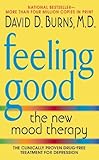
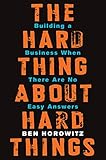
That's also the honest way to use the titles below. They're proven, worth-owning reads in this category — not necessarily Kindle Unlimited catalog picks themselves — so treat them as the bar, and use a KU trial to sample similar, lesser-known titles before deciding what's worth buying outright.
How to actually find hidden gems once you're subscribed
- Sort by "customer reviews" within a genre, not by "popularity." Popularity surfaces what everyone's already reading. Reviews sorted high-to-low, filtered to a subgenre, surface the quiet favorites.
- Check the series page, not just the first book. A series with a fanatic 20-book tail and consistent ratings across every installment is a much stronger signal than one great debut novel.
- Read a few negative reviews. A hidden gem often has one-star reviews about something you don't care about — too much romance subplot, too slow a start. That's more useful than a star rating alone.
- Follow "readers also enjoyed" chains. Once you find one gem you love, the list around it is usually full of adjacent indie authors doing similar work.
The catalog changes constantly, so the only real way to find your own hidden gems is to look. Start a free trial, pick a genre from above, and see what turns up.
Try Kindle Unlimited free →Frequently asked questions
What counts as a hidden gem on Kindle Unlimited?
Generally, a book with strong ratings and a devoted but small reader base — usually indie or self-published, often part of a long series — that never got mainstream marketing or a bestseller-list push. The quality is there; the visibility just isn't, which is exactly what makes a subscription like Kindle Unlimited good at surfacing it.
Is Kindle Unlimited worth it for genre fiction?
For heavy genre readers — romance, fantasy, cozy mystery, and thriller especially — yes, it's usually one of the strongest uses of the subscription, since those genres have the deepest indie backlists in the catalog. For readers who mainly want new hardcover releases or nonfiction bestsellers, the value is thinner. Check the current catalog and price on the signup page before deciding.
How do I find good Kindle Unlimited books?
Sort within a genre by review count and rating rather than overall popularity, check whether a series holds consistent ratings across every book (not just book one), and skim a few negative reviews for context a star rating won't give you. Following "readers also enjoyed" chains from a book you already loved is one of the fastest ways to find similar hidden gems.
Does Kindle Unlimited have good romance books?
Yes — romance is arguably the deepest and most consistently updated genre in the Kindle Unlimited catalog, largely because indie romance authors built sustainable careers around KU's per-page-read payout model. Long series with strong review counts and modest name recognition are usually the best hidden-gem signal.
Can you find sci-fi and fantasy hidden gems on Kindle Unlimited?
Yes, particularly in epic fantasy and LitRPG, where long series (8+ books) are common and expensive to buy outright. Indie authors in this space often release consistently and build a devoted following entirely through Kindle Unlimited borrows, which makes the genre one of the better places to look for hidden gems.
Is Kindle Unlimited good for nonfiction readers?
It's a smaller, quieter category than fiction, but it's genuinely useful for sampling self-help, business, and memoir titles before buying a permanent copy. New releases and celebrity memoirs are less likely to be included, but independently published narrative nonfiction and niche self-help are well represented.