Someone you love is having a hard year. Maybe the relationship ended, maybe the job burned them out, maybe someone they loved died, maybe their whole life just quietly rearranged itself into something they don't recognize. You want to show up. Flowers wilt, casseroles get eaten, and "let me know if you need anything" is the thing everyone says and almost no one means literally. A book is different — it sits on the nightstand for as long as they need it, it doesn't expire, and it says "I thought about you specifically" instead of "I bought a generic sympathy thing off a list."
- Top pickThe Midnight Library~$13
- Worth the splurgeFull Focus Planner~$45
But book-gifting during a hard season is also a minefield. Give the wrong one and it reads as a diagnosis — like you've decided they're broken and here's the fix. Give the right one and it feels like being handed a hand instead of advice. This guide is about telling those two things apart, organized by the kind of "going through it" your friend is actually in, because a breakup book and a grief book and a burnout book are not interchangeable, even when the marketing copy makes them sound like they are.
When it's heartbreak
A breakup — especially a big one, the kind that reroutes someone's whole sense of what their life was supposed to look like — doesn't need advice. It needs company. The instinct to hand someone a "how to get over your ex" book is usually wrong; it implies a timeline, and timelines are the last thing a freshly heartbroken person wants to hear about from anyone but themselves. What actually helps is fiction that sits with the disorientation of *what now* without rushing to answer it.
Fiction works here because it gives your friend somewhere else to put their attention that isn't a self-help mirror pointed straight at their own situation. It's company for the 11pm can't-sleep hours, not a project. If you want to pair it with something that reminds them people survive the unimaginable and come out the other side still capable of joy, this is the other book worth having in your back pocket — not because it's about breakups specifically, but because it's about how ordinary and resilient people actually are.
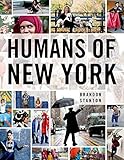
When it's burnout
Burnout is a different animal from heartbreak — it's less "my heart is broken" and more "I have nothing left, and I don't know when that happened." The instinct is often to give a productivity book, which is almost always the wrong move. A burned-out person does not need more strategies for doing more. They need permission to do less, and maybe a gentle way back to feeling like a person with a body and appetite, not just a to-do list.
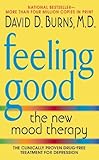
If anxiety or a spiraling inner critic is part of what's driving the exhaustion — the racing 2am thoughts, the catastrophizing, the inability to switch off — this next one is worth knowing what it actually is before you give it. It's not a light "self-care" read. It's a genuine cognitive behavioral therapy classic, written by a psychiatrist, that teaches specific techniques for catching and challenging distorted thinking. That makes it a more serious gift than most things on this list, and it's worth saying so out loud when you hand it over — something like "no pressure, just thought this might be useful" goes a long way toward it not landing as "I think you need therapy in a box."
For the friend whose burnout is more about structure collapsing than mood collapsing — the one who used to have a routine and now can't remember the last time they cooked a real meal or went to bed at a normal hour — a physical tool that rebuilds a little bit of daily structure can help more than a book about willpower.
When it's grief
Grief is the category where "helpful" advice is most likely to backfire. Nobody wants a book that tells them how to grieve correctly, because there is no correct way, and a friend in the thick of loss can usually smell a self-help agenda from across the room. What actually tends to help in the early, raw stretch of grief is something gentle enough to pick up for five minutes and put back down — not a project that demands sustained attention they don't have.
Comfort reads that engage the senses rather than the intellect can be surprisingly good company here. Cooking, specifically, has a way of pulling grieving people back into their bodies — chopping, tasting, the small physical rituals of making something — without asking them to think about anything harder than whether it needs more salt.
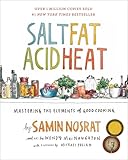
If you're close enough, the better gift than the book itself might be reading it alongside them — literally cooking one recipe together, or just sitting in the same room while they flip through it. Grief books work best when they're an excuse for company, not a substitute for it.
When it's a big, scary life change
Not every hard season is a loss. Sometimes it's a leap — a friend who just quit a stable job to start something of their own, got laid off and is rebuilding from scratch, went through a divorce and is starting over at 40, or is standing at some other fork where the old version of their life stopped fitting. This is the one category where a slightly more practical, "here's how to move forward" book can actually land well, because the person isn't grieving so much as they're scared and disoriented about what comes next.
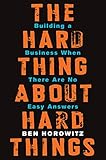
If the life change specifically involves your friend testing a new idea — a business, a side project, a career pivot into something untested — this next one is a genuinely useful, unpretentious guide to figuring out if an idea holds up before betting your savings on it. It's the most practical, least emotional book on this list, which is exactly why it can feel like a relief to someone drowning in feelings-forward advice from everyone else in their life.
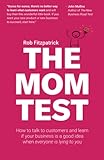
And for almost anyone rebuilding a life from a different starting point than they expected — after a divorce, a layoff, a big move — a little help with structure and habit-building can matter more than motivation ever will.

What not to give (and why it matters)
A few honest rules, learned the hard way by a lot of well-meaning gift-givers before you:
Skip anything that reads as a diagnosis. A book titled something like "Overcoming Your [Exact Problem]" handed over right after the problem happens can feel less like comfort and more like being told how to feel. Fiction, memoir, and gentle nonfiction give people room; prescriptive self-help aimed at their exact crisis often doesn't.
Skip anything that implies a timeline. "How to move on in 30 days" type books, however well-intentioned, put a clock on grief and heartbreak that doesn't actually exist.
Don't give advice books to people who didn't ask for advice. If your friend hasn't said "I want to fix this," a book that implies there's a fix to apply can land as criticism. When in doubt, choose the book that keeps them company over the one that tells them what to do.
Say the quiet part out loud. A short note changes everything: "No pressure to read this, or ever — I just thought of you." That one sentence turns a self-help book from an assignment into a genuinely thoughtful gift.
Give something alongside the book, not instead of a person. A book is a good companion to showing up, texting back, sitting with someone in silence. It's a poor replacement for those things.
How to actually give the book
The wrapping matters less than the framing. Handwrite a note inside the front cover instead of taping a card to the outside — the sentiment survives even if the book sits unread on a shelf for six months, which is completely normal. Pair it with something low-stakes rather than another "fix it" item: a candle, a good snack, a standing invitation to get coffee whenever they're up for it. The book is one piece of telling them you see what they're going through and you're not going anywhere.
Frequently asked questions
Is it weird to give a self-help book as a gift?
Not if you frame it gently. The awkwardness usually comes from the implication that you think they need fixing, not from the book itself. A short note like "no pressure, just thought of you" removes almost all of that risk, and fiction or memoir sidesteps the issue entirely if you're unsure.
What if my friend never reads it?
That's completely normal and not a failed gift. Plenty of people going through something hard keep a book on the nightstand for months before they're ready, or never read it and still appreciate having received it. The gesture registers even if the pages stay closed.
Should I give a book about their specific situation, like divorce or grief?
Generally, gentler and more indirect is safer than on-the-nose. A novel or a warm, low-pressure nonfiction book tends to land better than something titled explicitly after their exact circumstance, which can feel like a spotlight rather than a comfort.
Is it better to read the book together instead of just gifting it?
Often, yes, if you're close enough for that. Cooking from a book like Salt Fat Acid Heat together, or just being in the room while they read, turns the book into an excuse for company — which is usually what someone going through a hard time actually needs more than the book itself.
What's a safe book to give if I don't know exactly what they're going through?
Something like Humans of New York or The Midnight Library works across almost any kind of hard season — heartbreak, grief, a big life change — because neither one tells the reader how to feel or what to do next. They're company, not instructions.
Is Feeling Good too clinical to give as a gift?
It can feel that way if it's handed over cold. It's a legitimate, well-respected CBT self-help book, not a light read, so it's best given with context — "I read this and found it really useful" or "no pressure, just thought it might help" — rather than left unexplained on someone's doorstep.
What should I avoid giving a grieving friend?
Avoid books with strict stage-based grief frameworks or explicit timelines for "moving on." Grief doesn't follow a schedule, and books that imply it should can feel dismissive of what your friend is actually experiencing, however well-meaning the author's intent.