Somewhere around your fortieth single-narrator audiobook, you start to notice how much work one voice is doing. A great narrator can hold an entire novel's worth of characters in their throat — a lower register for the gruff dad, a clipped cadence for the villain, a breathless rush for the teenager — and most of the time that's genuinely enough. But every so often you land on a book that was built for more than one voice, and if you finish it read by a single performer, you can feel the mismatch, like watching a play with one actor reading all the stage directions out loud. That's the gap full-cast audio fills. Instead of one person doing impressions, you get an actual ensemble — different actors assigned to different characters, sometimes music and sound design stitched between scenes like an old-fashioned radio play. It costs more to make, it usually costs more to buy, and it asks more of your attention while you're listening. The question worth answering honestly, before you spend a credit on one, is whether all of that actually pays off.
- Top pickThe Midnight Library (audiobook)~$22
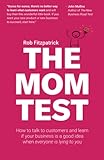
- Best budgetThe Mom Test (audiobook)~$10
What "full cast" actually means (it's not just a narrator doing voices)
Audible and most audiobook publishers use the phrase "a full cast production" as an actual label, not marketing fluff, and it means something specific: multiple credited actors, each performing a distinct role, recorded and mixed together rather than one person switching accents between paragraphs. Some full-cast productions go further and add a full sound design layer — footsteps, doors, ambient noise, a score that swells under a big scene — so the result sits closer to a radio drama or a scripted podcast than to a book being read aloud. Others stay simpler: a cast of narrators splitting a novel by point-of-view chapter, so you always know whose head you're in by whose voice you're hearing, without needing to be told.
The distinction matters because it changes what you're actually paying for. A single-narrator audiobook is a performance of the text. A full-cast production is closer to a performance of the story — it's staged, not just read, and that staging is either going to add something real or get in the way, depending on the book.
Why a full-cast production deserves your best credit, not your leftover one
Here's the practical math that makes this worth thinking about instead of just defaulting to whatever's next in your queue: an Audible credit is worth one audiobook, full stop, regardless of retail price. Full-cast productions are almost always the more expensive titles in the catalog — the ones that would sting to buy outright at $30 or $40 because of how many actors, studio hours, and sound editors went into them. That's exactly the kind of book a credit is built for. Spending your monthly credit on a $13 single-narrator paperback-to-audio conversion is technically fine, but it's underusing the thing. Save the cheap, straightforward titles for a la carte purchases or a sale, and point your actual credits at the productions where the price tag reflects real production value.
There's a second reason, less about money and more about the listening experience itself: full-cast productions tend to reward a second pass in a way flat narration doesn't. Once you know the ending, a single narrator's performance mostly stays the same on relisten. A well-built ensemble cast, with real vocal texture and sound design doing quiet foreshadowing you missed the first time, gives you new things to notice. That's the kind of return that makes a $35 credit feel like it actually went somewhere.
The productions that made everyone care about this format
If you've never tried one, a handful of titles are usually why the people who love full-cast audio love it, and it's worth knowing the names even if you don't buy any of them today. Max Brooks's World War Z is the one that converts the most skeptics — it's structured as an oral history, dozens of "interview subjects" each voiced by a different actor, and the format turns the book into something closer to a documentary than a novel. Taylor Jenkins Reid's Daisy Jones & The Six uses the same oral-history trick for a fictional rock band breakup, with a cast (including some recognizable names) reading each bandmate's side of the story, which does real work for a book that's told entirely in first-person testimony. The Illuminae Files series by Amie Kaufman and Jay Kristoff goes further still — full cast plus sound design plus a story that's told through transcripts, chat logs, and mission reports, which is exactly the kind of structurally weird book that falls apart in a single voice and comes alive with one per character. And Neil Gaiman's The Sandman: Act I, an Audible Original, is essentially a full-blown audio drama with a huge cast and cinematic sound design — it's the clearest argument that this format can be its own art form, not just an audiobook with extra steps.
None of these need to be your first full-cast listen specifically. The point of naming them is that they show the range of what the format can do: oral history, structurally unconventional fiction, and outright audio drama are the three lanes where a cast earns its keep most reliably.
Who this is actually for — and who should skip it
Full-cast audio is a great match if you're the kind of listener who's occasionally lost track of who's talking in a single-narrator book with a lot of characters, if you grew up on radio drama or fiction podcasts and miss that specific texture, if you're doing a long road trip with other people in the car (a cast reads as more communal than one voice droning on), or if you gravitate toward big ensemble sci-fi and fantasy where a dozen named characters is the norm, not the exception. It's also a genuinely good pick for books told through documents, interviews, or multiple first-person accounts — anything where the structure of the story is already "many voices," a full cast just makes that structure audible instead of asking you to infer it.
It's a worse match if you listen to fall asleep — the scene changes, music cues, and voice switches in a well-produced cast are actively designed to keep your attention, which is the opposite of what you want at 11pm. It's also not the right fit if you listen mostly for half-attention background company while doing chores or driving a familiar commute; tracking multiple voices takes more active focus than one narrator, and you'll lose the thread faster if you're only half listening. And for pure nonfiction — business books, self-help, how-to — a cast rarely adds anything. Those books benefit far more from one clear, consistent voice than from a production budget.
The case for spending your credit on one great voice instead
All of that said, full cast is not automatically the better use of a credit. Some of the best audiobooks in existence are single-narrator specifically because a single voice is the whole point — an author telling their own story, or a narrator so good they don't need backup. These are the ones worth remembering the next time you're tempted to default to the flashier ensemble option:
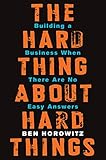
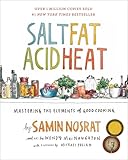
Memoir and founder-voice nonfiction almost always belong in this category — the author's own delivery is the feature, and adding a cast around them would dilute the thing you're actually there for. The same logic extends to books where the narrator's specific warmth or expertise is the draw rather than a big cast of characters:

Short, single-idea books also do fine — better, usually — with one voice, since the whole point is getting in, absorbing the idea, and getting out without a production layered on top slowing that down:
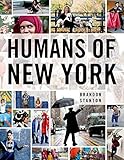
The rule of thumb that falls out of all this: fiction with a genuinely large ensemble cast, documents-and-interviews structure, or anything explicitly built as audio drama is where a full cast earns its price. Memoir, expertise-driven nonfiction, and tightly focused single-POV fiction are usually better served by one excellent voice.
How to vet a full-cast title before you spend the credit
Before committing a credit to any full-cast production, check the actual Audible listing for the phrase "a full cast production" or a list of multiple credited narrators — retailers are required to disclose this, so it's not a guessing game. Skim a handful of reviews specifically for words like "sound design," "ensemble," or "production value," rather than just star ratings; a cast with poor audio mixing or uneven volume between actors is a worse listen than a single good narrator, and reviewers usually call that out fast. Use the sample button. Every Audible listing has a preview clip, and for full-cast titles it's the single fastest way to tell whether the cast actually gels or whether it feels like several separate recording sessions stitched together. And lean toward spending full-cast credits on fiction with real structural reasons for multiple voices — big ensembles, multi-POV chapters, epistolary or interview formats — over books where a cast feels bolted on for novelty's sake. When the format matches the book, it's one of the best returns an Audible credit can give you. When it doesn't, you're just paying more for the same story.
Frequently asked questions
What does "full cast" actually mean on Audible?
It means the audiobook is performed by multiple credited actors, each voicing a distinct character or role, rather than one narrator performing every character. Audible and most publishers label these listings explicitly, often with the phrase "a full cast production" in the description.
Are full-cast audiobooks worth more of a credit than single-narrator ones?
Often, yes, in the sense that they tend to be priced higher at retail and cost more to produce — which is exactly the gap a flat-rate credit is designed to close. If you're deciding where to point a monthly credit, a pricier full-cast production is usually a better use of it than a cheap single-narrator title you could buy outright.
Do full-cast audiobooks work for nonfiction?
Occasionally, mostly for oral-history style books like World War Z or Daisy Jones & The Six, where the structure is already "many first-person voices." For standard nonfiction — business, self-help, memoir — a single strong narrator, especially the author, usually beats a cast.
Is a full cast the same thing as an audio drama?
Not exactly, though they overlap. A full-cast audiobook is still narrated prose with multiple performers voicing characters. An audio drama, like The Sandman: Act I, goes further — it's scripted and staged more like a radio play, often with less narration and more scene-based sound design. Some full-cast titles land close to audio drama; most stay closer to a performed novel.
Can I preview a full-cast audiobook before spending a credit on it?
Yes — every Audible listing includes a sample clip, and for full-cast titles it's worth listening to before committing. It's the fastest way to hear whether the cast and sound design actually work together or feel disjointed.
What if I don't like a full-cast production partway through?
Audible's Great Listen Guarantee lets you exchange an audiobook that didn't work for you for a different title. It's not unlimited, but it's generous enough that trying a full-cast production is low-risk even if the specific cast doesn't click for you.