The audiobook that works for a holiday road trip is one that a seven-year-old, a sixteen-year-old, two parents and one grandparent can all enjoy at once, and the safest bet is a classic read by a narrator who can carry a whole cast, such as the Jim Dale Harry Potter recordings or Andy Serkis reading The Hobbit. Skip anything that depends on the screen, on swearing you will have to apologise for, or on a plot so tangled that the person who dozed off at hour two is lost forever.
Books on your commute
Audible's free trial gets you your first audiobook on the house — cancel anytime and keep it.
Start your free Audible trial →Holiday driving is its own genre of trip. A summer road trip is mostly about the open road and nobody needing to be anywhere. Thanksgiving and December are different: you are packed in with the relatives you are about to see, the stretch is often long and dark by four in the afternoon, there is a dog under someone's feet, and the group spans three generations. Everybody has to share one speaker system, and nobody gets to leave. Here is how to choose well for that car.
The rule of the shared speaker
Before the picks, the principle. On a normal commute you choose for yourself. In a holiday car you are choosing for a committee, and committees reward one specific kind of book: one with several entry points. A kid can love it for the plot, a teenager for the jokes, a parent for the writing, and a grandparent for the pleasure of hearing a good story told aloud. If a book only works for one of those people, the other three will quietly check out around the second rest stop.
That tends to rule out two extremes. Anything pitched squarely at small children will lose the teenagers fast. Anything adult and dark will lose the kids and make the parents nervous. The sweet spot is the middle: family adventures, funny memoirs, and big-hearted stories that were written for kids but never talk down to them.
Five audiobooks that survive a mixed-age car
These are picks we are confident about on the narrator and the premise. Always preview the sample on the Audible listing and check the length against your drive.
Harry Potter and the Sorcerer's Stone, narrated by Jim Dale. The obvious choice, and obvious for a reason. Dale gives every character a distinct voice, so younger kids can follow who is talking without being told, and adults who have heard it twice before still catch details. It is long enough to cover a real drive and it ends at a natural point if you only get through one book. If your family has already done it, the follow-up books carry the same strengths.
The Hobbit, narrated by Andy Serkis. Serkis, known for playing Gollum on screen, goes all in on the songs and the riddles. It is the right pick when the car includes a fantasy-loving teenager and a grandparent who read the book decades ago. The tone is warm, the stakes are real but not frightening for most school-age kids, and the structure is episodic, so a missed ten minutes does not wreck anything.
Matilda, narrated by Kate Winslet. Roald Dahl's story is funny, a little wicked, and short enough to finish on a mid-length drive. Winslet's performance is the reason to pick this audio edition over just reading along. It is a good choice when the youngest in the car is eight or so and the oldest is the sort who pretends not to be listening, then laughs out loud.
Born a Crime, narrated by Trevor Noah. This one is for the teen-and-up end of the car, not the little ones. Noah reads his own memoir about growing up in South Africa, and the voice work is the point: he slides between languages and accents in a way no outside narrator could copy. It is funny and moving, and it has moments that call for a parental heads-up, so listen to a sample first and decide whether your passengers are ready.
Wonder, by R.J. Palacio. A warm, contemporary story told through several narrators, which keeps the audio lively. It suits kids in the middle grades and works well for adults too, and it tends to start the kind of conversation that fills the next fifty miles of highway.
What to skip on a holiday drive
This is the comparison that matters most, because the wrong book is worse than no book. Here is the short list of things to leave out of the playlist, and why.
Skip books built for tired adults. Gritty thrillers and grim literary novels are lovely on a solo commute. In a car with a nine-year-old they turn into a game of hit-pause-and-skip. Save them for the drive home when the kids are asleep, or for another day entirely.
Skip very long fantasy sagas you have never tried. A twenty-hour epic is a bold gamble when the car cannot agree on lunch. Choose something that works as a first installment, with a satisfying ending even if you never get to the next one.
Skip anything with a complicated cast and no clear narrator signals. Dense multi-character stories read by one flat voice are hard for anyone who is half-listening, which on a long drive is everybody for at least an hour. If you are going for an ensemble, pick a production that makes it audible who is speaking.
Skip the book that one person has already read three times and is dying to share. It is a lovely instinct, and it works if the rest of the car is genuinely curious. If not, it becomes a performance. Let the group vote from a shortlist of two.
Skip anything where the plot depends on a visual. Stories heavy on diagrams, maps or illustrations lose a lot in audio. Choose books where the voice does the work.
How to get a car full of people to agree
Choosing a book is half the job. The other half is the diplomacy, and a few small rituals make it much easier.
Run a two-minute taste test at home. Before you leave, play the first chapter sample of your top three choices in the kitchen. Let everyone vote with a thumb. The book with the fewest thumbs-down wins, which is a better rule than the one with the most thumbs-up. In a shared space, nobody hating it matters more than somebody loving it.
Let the youngest listener pick the tiebreaker. Kids who feel they chose the book are far more patient with it. Give them the final say between two acceptable options and the complaints drop.
Build in natural stopping points. Pause at rest stops, fuel stops and the moment you cross a state line. A book with short chapters, such as most of the picks above, makes this easy. A reliable ritual, such as stopping the story whenever someone needs a snack, keeps the peace.
Download everything before you leave. Mountain passes, rural stretches and the strange dead zones near big cities will all test your signal. Download the books at home on wifi so the story never cuts out at the cliffhanger. Check that the app is signed in and the files are on the phone that will connect to the car.
Keep a backup plan. One of the best things you can do is keep a second, short option on hand: a funny memoir for the adults, or a short story collection. If the main book flops after an hour, you can switch without a mutiny.
The small kit that makes it work
Listening in a car is mostly about the car, not the book. Two inexpensive pieces of gear solve the most common problems on a long holiday drive.
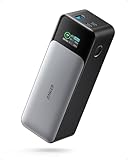
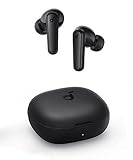
You do not need more than that. A phone mount, a charging cable in every seat and a downloaded playlist will do more for the mood in the car than any fancy upgrade.
Why a free trial is the easy way to test the playlist
The practical question is how you get the books. A free trial of Audible lets you try out a title or two before committing to anything, which is useful when the whole point is finding something that works for several people at once. Start the trial a week or two before the trip, download your shortlist, and play a chapter on the school run or around the house. If the car likes it, you have your road-trip soundtrack. If not, you have lost nothing and you can still cancel. Terms and eligibility change from time to time, so read the details on the Audible page before you sign up.
Whatever you choose, give the book a few chapters. Most stories take a little while to settle, and a car that is grumpy at hour one is often hooked by hour three.
Frequently asked questions
What is the best audiobook for a family road trip with kids of different ages?
Look for a family-friendly classic with a strong narrator and a story that works on more than one level. The Jim Dale recording of Harry Potter and the Sorcerer's Stone and Andy Serkis reading The Hobbit are two reliable choices because kids, teens and adults can each find something to enjoy.
How long should a holiday road trip audiobook be?
Match the length to the drive, but do not stress about finishing. A book with a satisfying ending in the first installment, or a story you can pause and resume on the way home, is better than one that must be completed in a single sitting. Check the running time on the Audible listing against your route.
Are audiobooks okay for kids who get carsick?
Many families find audio easier than screens because everyone can look out the window. Every child is different, so if carsickness is a problem, talk to your pediatrician about what helps rather than relying on any single trick.
Should I download the audiobooks before the trip?
Yes. Download everything on wifi before you leave, because cell coverage is patchy on rural highways and mountain stretches. Also confirm the app is signed in and the downloads are on the device that will connect to the car.
What if the grown-ups and the kids want completely different things?
Use the taste-test approach: play the opening sample of two or three shortlisted books at home, vote with a thumb, and choose the one with the fewest thumbs-down. Let the youngest listener break any tie, and keep a short backup for the adults.
Can I try Audible before committing for a holiday trip?
Audible offers a free trial for new members, which is a handy way to test a few titles before your drive. Terms, eligibility and what is included can change, so check the Audible page for the current details before you start.