The line isn't actually the problem. Most airport security bottlenecks aren't caused by understaffed checkpoints or a suspicious carry-on — they're caused by the person three spots ahead of you unlacing knee-high boots, fishing a belt through loops, and emptying seventeen jacket pockets one item at a time while a growing crowd watches. Getting through security fast isn't about TSA PreCheck (though get it if you can) or arriving absurdly early. It's about wearing clothes that were never going to slow you down in the first place. This is the outfit logic — shoes, layers, pockets, and bags — that turns a 20-minute shuffle into a 90-second walkthrough.
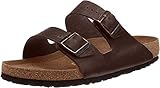
- Top pickBirkenstock Arizona Sandals~$110
- Best budgetMaster Lock TSA-Accepted Combination Lock~$10
The one rule that actually determines your line speed
Every checkpoint runs on the same basic physics: metal and dense fabric slow the machine down, and anything you have to stop and think about slows you down. Standard walk-through metal detectors and millimeter-wave body scanners flag belt buckles, underwire in some bras, thick jewelry, and anything metallic hiding in a waistband or hem. When that happens, you either get waved through with a pat-down or sent back to strip off the offending item and try again — and that's the moment the whole line behind you stalls. The fix isn't complicated: minimize metal, minimize layers, minimize decisions. If you can get from "step up to the scanner" to "step through it" without touching your body, you've already beaten 80% of the people around you.
The second, less obvious rule is that TSA agents are pattern-matching against thousands of travelers a day. An outfit that reads as "obviously nothing to see here" — simple shoes, minimal jewelry, no bulky jacket hiding your silhouette — moves through faster than one that looks even slightly unusual, regardless of what's actually in your pockets. Dressing boring at the airport is a genuine hack.
Shoes: the single biggest bottleneck at the checkpoint
Shoes are where most delays actually happen, and it's almost always avoidable. Unless you have TSA PreCheck (which lets you skip shoe removal at participating checkpoints), every pair of shoes comes off and goes through the X-ray separately. Lace-up boots, high-tops, and anything with buckles or straps turn a 5-second step-out into a 45-second unlacing project — and then you have to redo the whole thing barefoot on the other side while people stack up behind you.
The move is a slip-on shoe you can kick off and step back into without bending over or touching a lace. Slides, clogs, and simple sandals are the fastest option by a wide margin, and they're comfortable enough to wear through a full day of connections and gate changes. Birkenstocks are the category standard for a reason — the contoured cork footbed doesn't feel like a compromise the way a lot of "airport shoes" do, and they slip on and off in about one second flat, every single time.
Layers you can shed in one motion
Jackets are the second-biggest slowdown after shoes, mostly because people wear the wrong kind. A structured coat with a dozen pockets, a scarf wound three times around your neck, a belt cinched tight under a sweater — every one of those is a separate item you have to consciously remove, unwind, or unbuckle, and every separate item is a decision point where the line pauses. The fix is a layering system built around things that come off as a single, unthinking motion: one lightweight zip-up or cardigan instead of a heavy structured jacket, no belt if you can avoid it (or a simple one you can whip off and coil in a bin without looking), and jewelry kept minimal enough that it doesn't need to come off at all.
Think about your outfit in terms of "how many separate actions does this require at the scanner." A hoodie: one action, off over the head, into the bin. A blazer with a belt underneath and a scarf on top: three separate actions, done under time pressure, with an audience. Fewer actions wins every time, and it also means you're not standing at the far end of the checkpoint half-dressed trying to re-layer everything while people behind you wait for the bin you're still using.
Bags that scan clean without a full repack
Your outfit gets you through the body scanner fast. Your bag is what determines whether the X-ray operator waves your carry-on through or flags it for a hand search — and a flagged bag means everything in it, including your outfit's next-day plans, gets dumped on a table in front of a line of strangers. The single biggest trigger is liquids that aren't sorted into one clear, easy-to-pull bag. A crossbody or tote that opens flat and holds your quart bag, laptop, and boarding documents in obvious, separate compartments scans faster than a stuffed backpack where the agent can't tell what's layered against what.
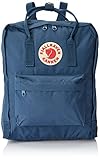
A simple, low-profile daypack does double duty as your personal item and your just-landed outfit bag — something structured enough to organize but soft enough to compress under a seat.
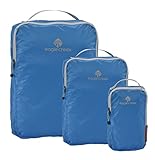
If you're checking a bag or packing for more than a long weekend, packing cubes matter for the checkpoint too, not just for your hotel closet — a bag organized into distinct, labeled compartments is visibly easier for an agent to read on X-ray than a duffel where cords, shoes, and clothes are all tangled into one dense mass.
Liquids and the toiletry bag that ends the 3-1-1 argument
Almost every hand search that isn't shoe-related comes down to liquids: a full-size bottle buried in a dopp kit, a stray tube of sunscreen in a jacket pocket, a quart bag that's actually closer to a half-gallon. The 3-1-1 rule (containers under 3.4oz, one quart-size bag, one bag per passenger) hasn't changed in years, and the travelers who breeze through are the ones who pre-portion everything into TSA-compliant bottles and keep them in one dedicated bag they can pull out and drop into a bin without opening a single zipper compartment to hunt for it.
What to skip: outfit choices that guarantee a slowdown
Some choices are fine at home and a liability at the checkpoint. Skip lace-up boots and high-tops on travel days — save them for the destination and wear something slip-on for the flight itself. Skip statement belts with oversized metal buckles; if you need a belt, wear a thin one you can coil into your bag's front pocket in one motion. Skip stacked rings, layered necklaces, and anything with a large metal clasp — jewelry that would take real effort to remove under a time crunch should just stay home or go in checked luggage. Skip underwire bras if you're prone to alarms in them; a wire-free style avoids the coin-flip pat-down entirely. And skip cramming your pockets with keys, coins, and a phone — one dedicated pocket or a small pouch you can empty in a single dump beats four pockets you have to check individually.
The comparison that actually matters here isn't "comfortable vs. put-together." A slip-on sandal and a simple layering system look completely normal — nobody's going to mistake you for someone who didn't try. What you're really trading away is the fussy, multi-step version of the same outfit: the boots instead of the slides, the structured blazer instead of the zip-up, the stack of jewelry instead of one simple piece. Same effort level, wildly different checkpoint experience.
Lock it down so it stays fast on the way home too
The last piece isn't about your body at all — it's about your checked bag or the one you're not carrying on. A TSA-approved combination lock lets agents open and re-lock your bag for inspection without cutting it off, which matters because a cut lock means an unsecured bag for the rest of your trip and a scramble to find a replacement in an unfamiliar city.
And for the personal item that isn't your main bag — the one holding snacks, a paperback, and whatever you bought in the terminal — a packable tote that folds flat when empty and expands when it isn't earns its space precisely because it doesn't add bulk to your outfit on the way there.
The system, put together
None of this requires new clothes or a travel-specific wardrobe. It requires picking, on travel days specifically, the slip-on version over the lace-up version, the single zip-layer over the multi-piece stack, and the organized bag over the crammed one. Do that consistently and the checkpoint stops being the stressful part of the trip — it becomes the ninety seconds between the ticket counter and your gate, which is what it was always supposed to be.
Frequently asked questions
Do I have to take my shoes off at airport security?
Yes, unless you have TSA PreCheck at a checkpoint that offers it — standard security screening requires shoes to go through the X-ray separately from you. That's exactly why slip-on shoes matter so much: you can't skip the step, but you can make it take one second instead of thirty by wearing something you don't have to lace or buckle.
What jewelry or accessories set off the metal detector?
Large belt buckles, thick stacked rings, chunky necklaces with metal clasps, and some underwire bras are the most common triggers. Small, thin jewelry — a plain band, stud earrings, a delicate chain — typically clears without issue. When in doubt on a travel day, simpler is faster; save statement pieces for after you land.
Does TSA PreCheck really make that much of a difference?
Yes. PreCheck lanes let you keep your shoes, belt, and light jacket on and leave your laptop and liquids in your bag, which removes most of the friction points this article is about. It costs roughly $78 for five years and the application process takes about 15 minutes at an enrollment center. If you fly more than a couple times a year, it pays for itself in avoided stress alone.
How many liquids can I actually bring in a carry-on?
The 3-1-1 rule: containers of 3.4oz (100ml) or less, all fitting into a single quart-size clear bag, one bag per passenger. Anything larger needs to go in a checked bag. Pre-filling small TSA-approved bottles before you leave home is faster than trying to find and portion products at the airport.
What's the fastest way to pack a carry-on so it doesn't get flagged for a hand search?
Keep liquids in one clearly visible bag near the top or in an external pocket, separate your laptop and any other electronics into their own compartment, and use packing cubes or similar dividers so dense clothing isn't all bunched into one X-ray-opaque mass. Agents flag what they can't clearly read on the scanner — the more organized and separated your bag's contents are, the less likely it is to get pulled for a manual check.
Should I wear a belt at all when flying?
If your pants fit without one, skip it entirely — it's one less item to remove and re-thread. If you need a belt, choose a thin one with a small buckle over anything with heavy metal hardware, and practice pulling it off and coiling it in one motion so it doesn't slow you down at the bin.